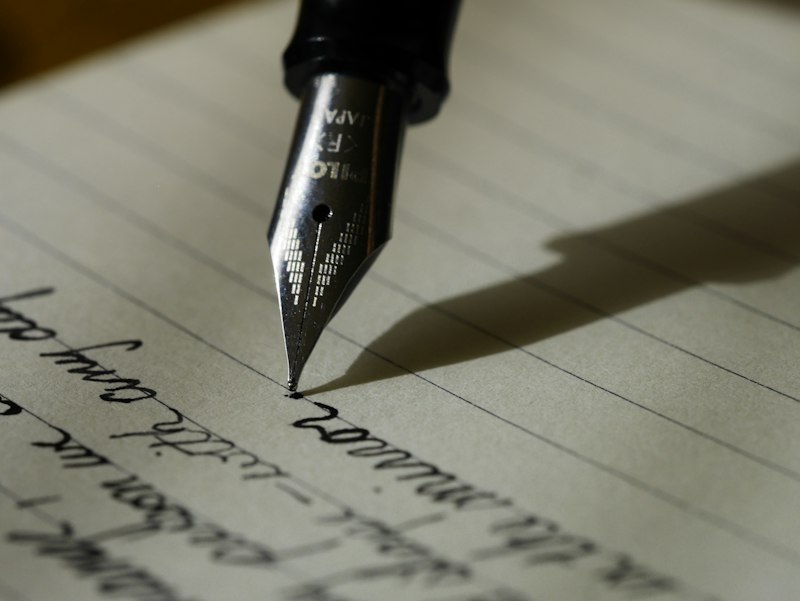
Every designer I know talks about their favorite color palettes. Almost none of them talk about typography with the same passion or precision. This is a mistake. Typography is the most powerful tool in a designer's kit—not because color is unimportant, but because typography operates at a deeper level of communication. Color sets mood. Typography sets meaning.
Text is how most of the information in the world is transmitted. In interfaces, in books, in signage, in brand materials. The decisions you make about typefaces, sizes, weights, spacing, and line lengths determine whether that text communicates effectively or not. A beautiful color palette applied to poorly set type produces an unpleasant reading experience. Good typography applied to a boring palette produces readable, respectful communication. I know which one I'd rather ship.
The Three Dimensions of Good Typography

Typography at its core operates on three levels. The micro level: individual letterforms and their relationships—kerning, leading, tracking. The meso level: how type is arranged in a layout—line length, measure, paragraph spacing. The macro level: the choice of typefaces and how they work together. Most designers focus entirely on the macro level, picking a "good font," and neglect the other two. This is why most "good typography" still feels off.
Micro-level typography is where professionalism shows. A designer who kerns consistently, who sets appropriate line height for the measure, who uses tracking appropriately for headlines versus body text—these details are invisible when done correctly and glaring when done wrong. The reader can't name what's bothering them when type is poorly set. They just know something feels unprofessional.
Try the Font Pairing tool to approach typography systematically rather than by gut feel.